
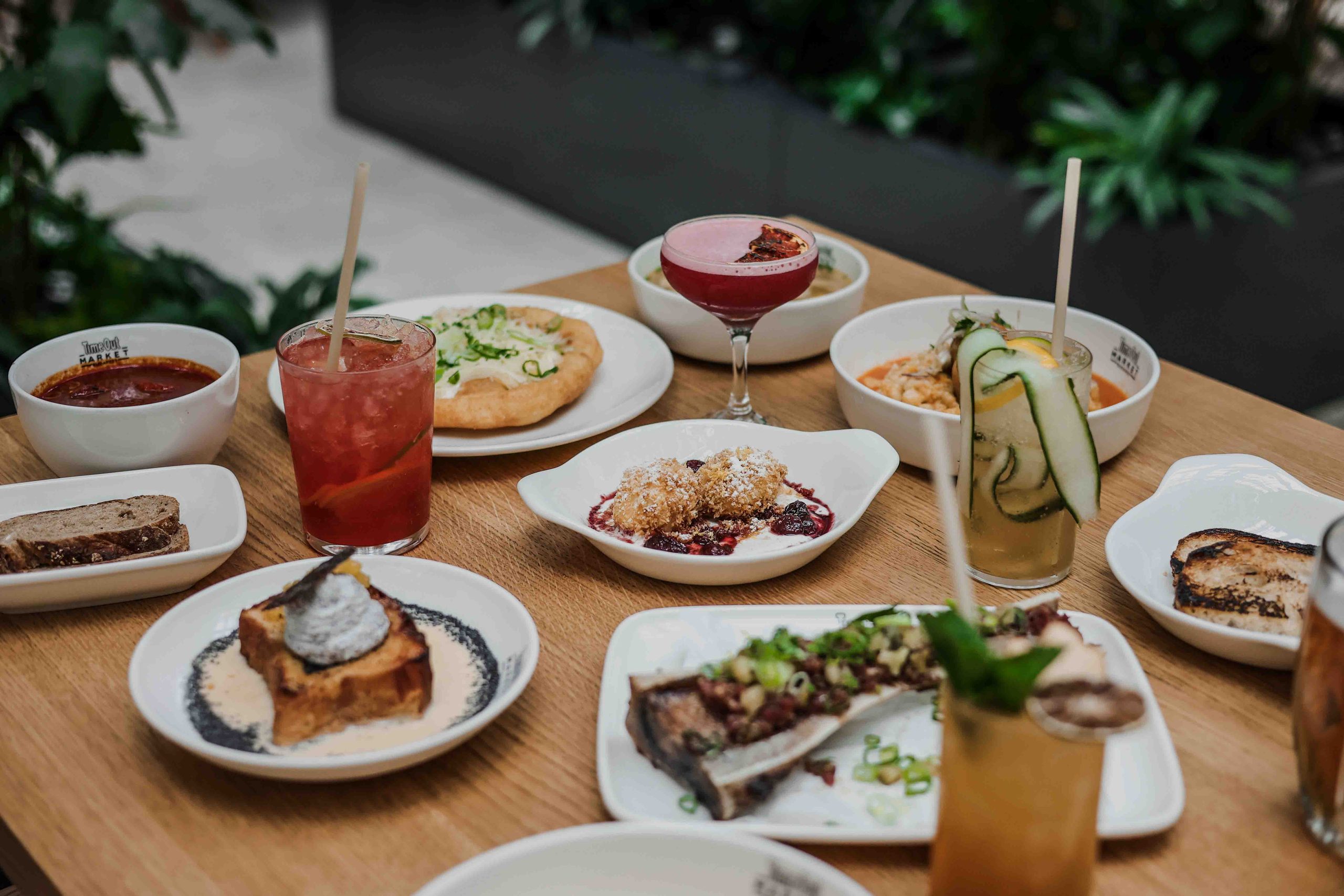
In Budapest, it’s not difficult to find somewhere good to eat, but the more interesting question is where to go when we want to explore several different cuisines within a single meal. Time Out Market Budapest on Blaha Lujza Square is built around exactly that idea. Located on the first floor of the renovated Corvin Palace, this nearly 2,500-square-metre gastronomic space brings together 11 different restaurants and food concepts, meaning that within just a few steps, we can go from Hungarian classics to Italian pizza, Middle Eastern grilled dishes, and Taiwanese and Vietnamese flavours.
The concept began in Lisbon in 2014 and has since expanded to several major cities around the world. It arrived in Budapest in autumn 2025, and the choice of location was particularly fitting. The history of Corvin Palace is fascinating in its own right. The former Corvin Department Store opened its doors in 1926 before undergoing a major transformation after decades of changing fortunes. Today, one of the building’s busiest areas attracts visitors for an entirely different reason.
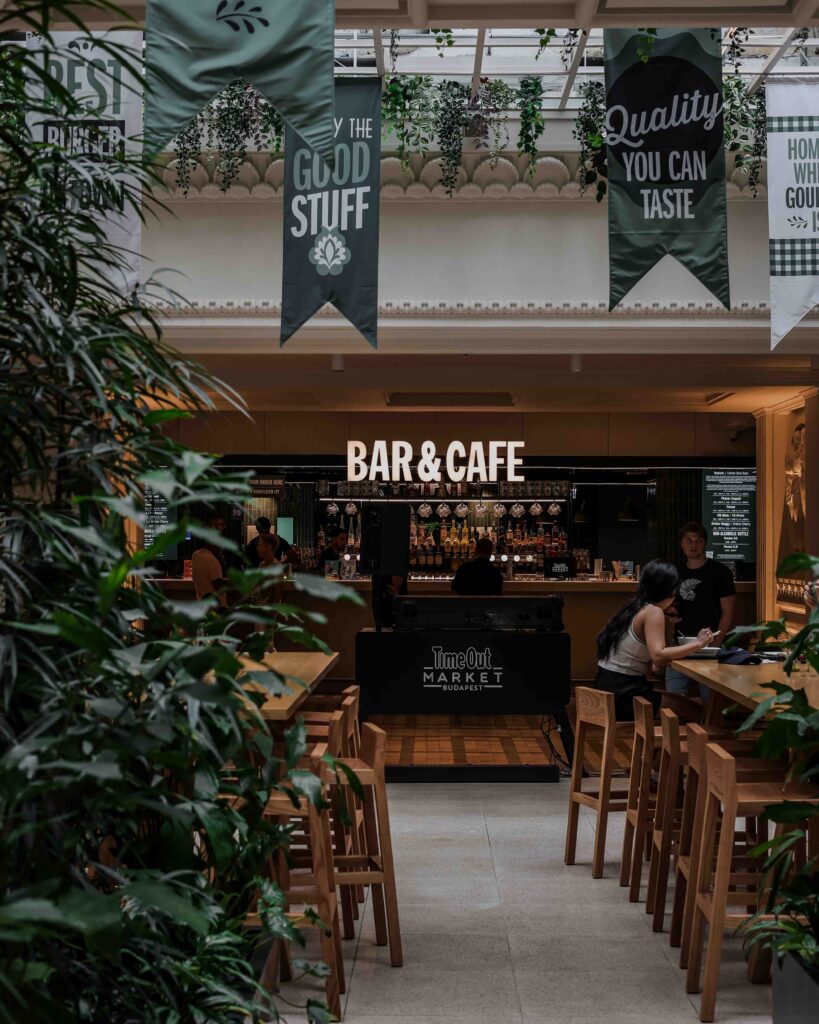
One large shared table, 11 different cuisines
One of the best things about Time Out Market is that you don’t have to commit to a single restaurant. At the large communal tables, everyone can choose something different, then sit down together and sample the various dishes. This works particularly well if you’re not looking for one large plate, but would rather explore the selection through several smaller portions.
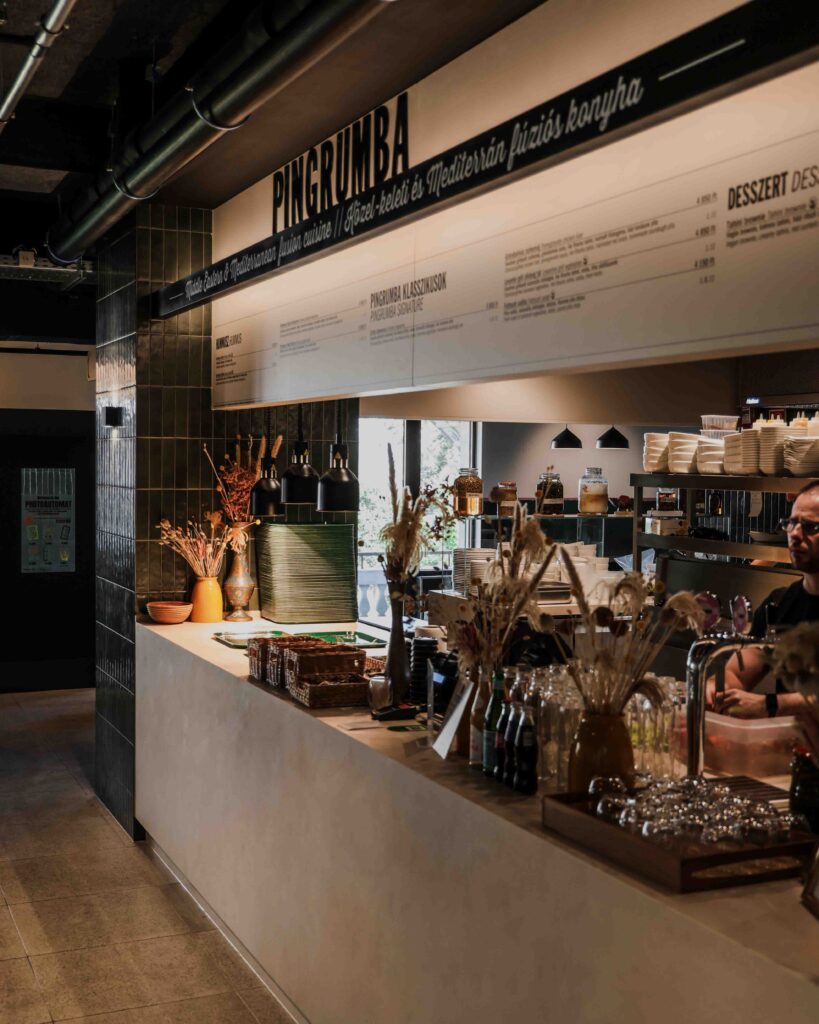
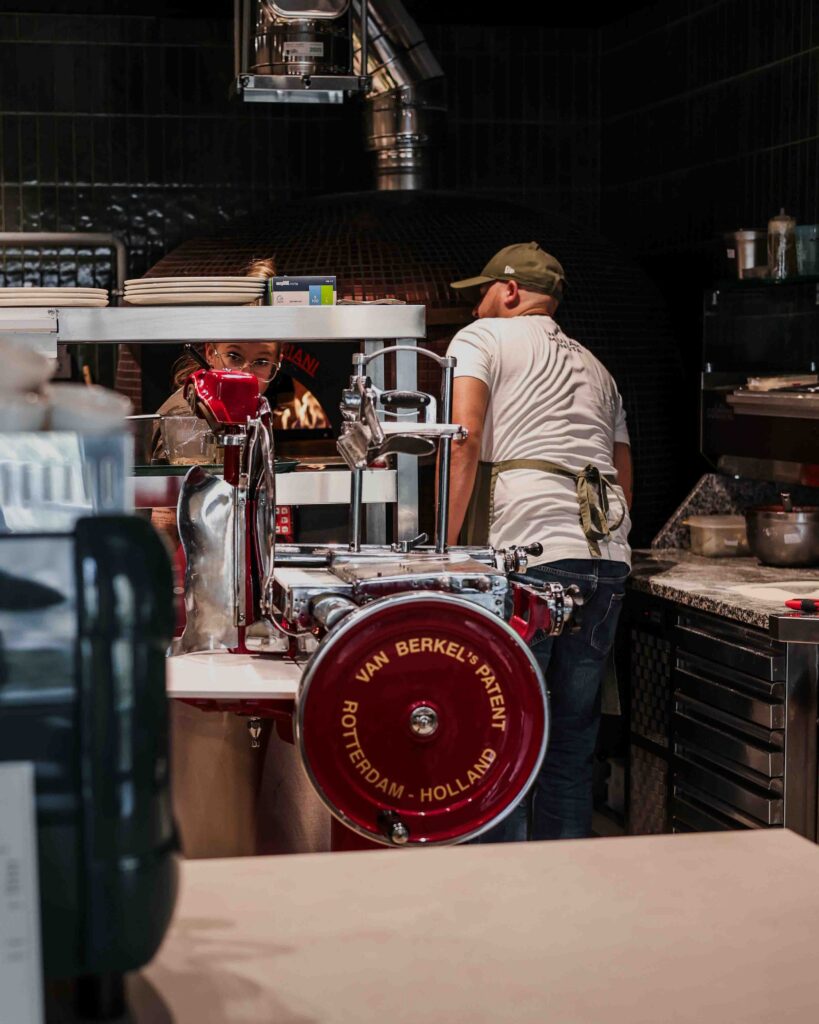
Among the 11 concepts is Anyukám Mondta, a restaurant with roots in Encs, bringing Italian dishes ranging from Margherita DOP pizza to focaccia with Parma ham and burrata. Pingrumba brings the spicier, grilled flavours of the Middle East and North Africa, while 101 Bistro draws inspiration from Taiwan’s vibrant bistro culture, combining Chinese, Japanese and Western influences.
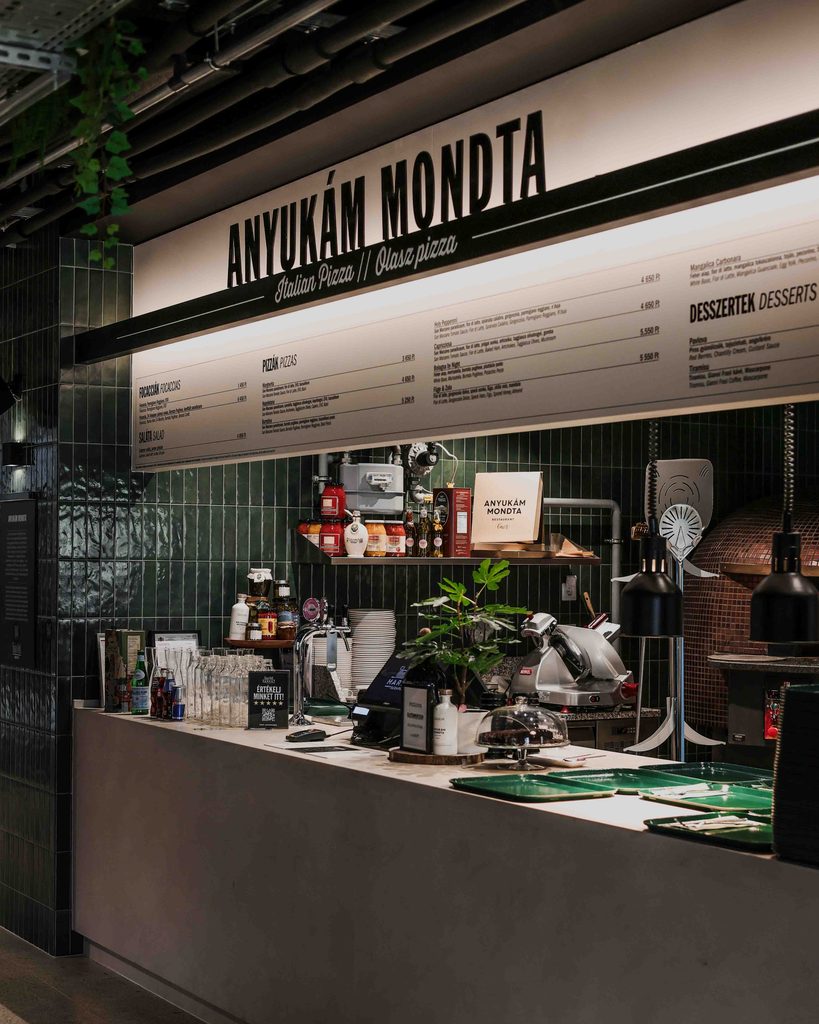
The Asian offering is further strengthened by Hai Nam Pho, bringing Northern Vietnamese flavours back to District VIII, where the family story originally began. Bigfish is an exciting option for fans of seafood, sushi, oysters and fish & chips, while Tuning Burger has built its burger selection around premium meats, house-made sauces and artisan buns.
For a more elevated gastronomic experience, LIRA by Essência and Fúzió by Textúra & Borkonyha take things a step further. The former is a more relaxed, accessible concept from the team behind Michelin-starred Essência, while the latter brings the cuisine of Ákos Sárközi and his team closer to everyday diners.
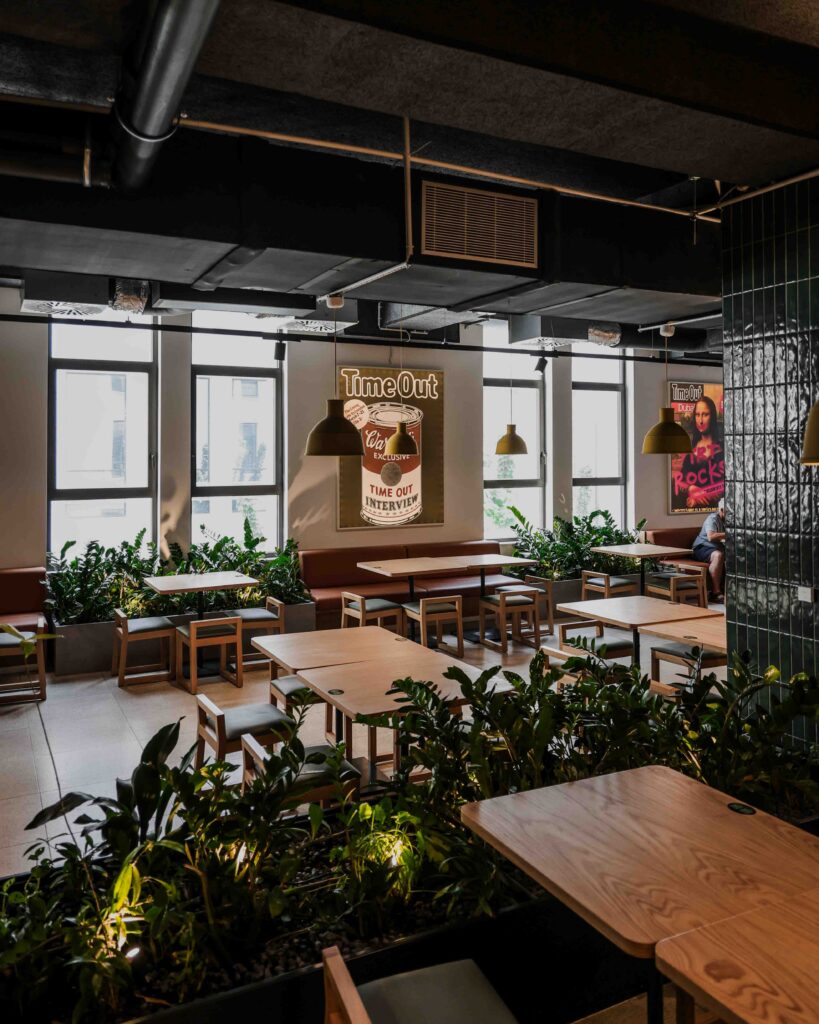
The unique interior of Time Out Market Budapest
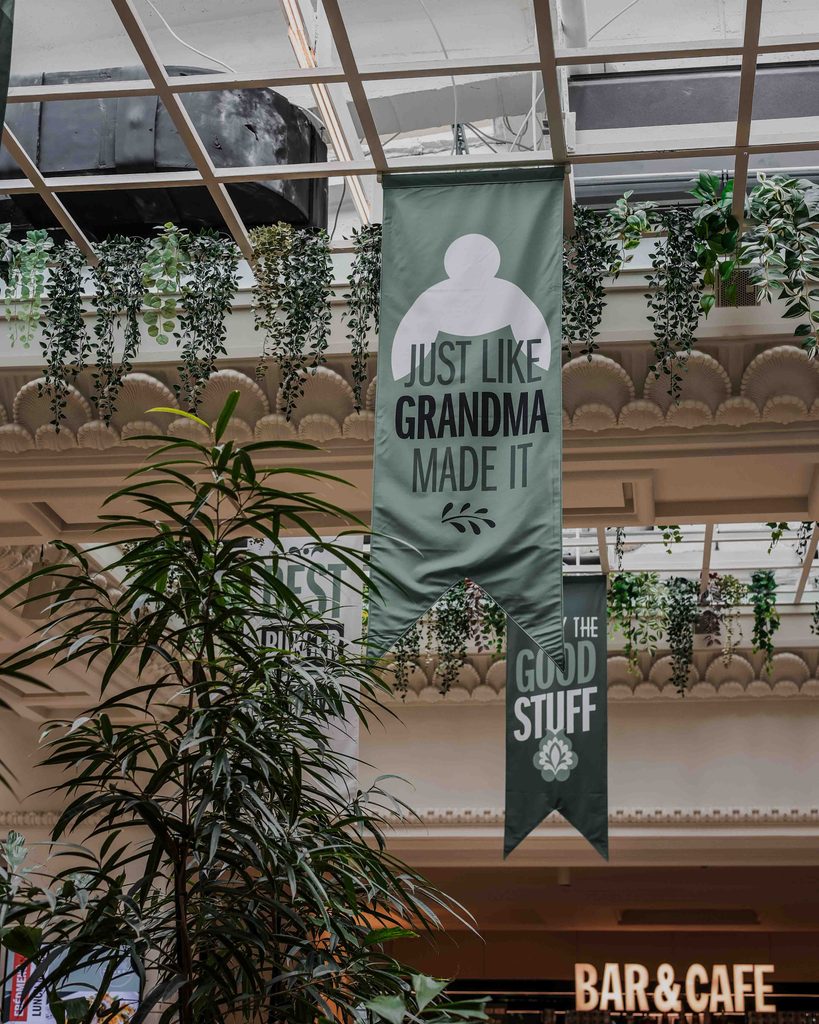
Time Out Market Budapest occupies the upper level of Corvin Palace, a building with a fascinating history. Corvin Department Store opened its doors in 1926 as one of Europe’s first shopping centres before undergoing a major renovation decades later while retaining its original neoclassical character. Openness was the key focus in designing the upper level. The restaurants are arranged in the centre of the space, with counters operating on both sides, meaning guests don’t all move in a single direction. This solution is not only practical but also makes the layout feel much more open and fluid. Large communal tables occupy the central area, while smaller, more intimate spaces can be found towards the edges of the Market.

The overall look is defined above all by the scale of the space. The high ceilings, abundance of natural and filtered light, wooden surfaces, industrial details and countless plants give the vast interior a surprisingly homely atmosphere. The central area is particularly lively, with something constantly happening around the various restaurant counters, while the edges make it easier to find a quieter table.
The new face of Hungarian cuisine at Time Out Market Budapest
What made the visit particularly exciting for us was the presence of Hungarian dishes. If we were bringing a foreign guest to Time Out Market, we could easily take them through some of Hungary’s classic flavours, while we could also discover variations built around familiar ingredients yet presented on the plate in a completely different way.

Szaletly represents exactly this approach. Fried meat, pörkölt, rakott krumpli, goulash soup and mákos guba are all dishes that carry strong memories for Hungarians, yet here they appear in a more contemporary form. CANTEEN by Costes Group, on the other hand, puts classic Hungarian home cooking at the centre of its offering, with dishes such as chicken soup, cholet and apple pie. Casa Christa brings the atmosphere of the Balaton Uplands to the capital, with dishes inspired by the region and classics such as langosh with cheese and sour cream, fried pike-perch fillet and sweet cottage cheese dumplings.
We tried dishes from all three of these Hungarian concepts, and perhaps that is why we felt most strongly here that Time Out Market is not simply a collection of different restaurants, but also a kind of culinary snapshot of the country.
Szaletly: When classic Hungarian dishes get a contemporary makeover
From Szaletly’s selection, we tried three dishes that perfectly demonstrate how the best-known dishes of Hungarian cuisine can be approached with a contemporary mindset without losing the familiar flavours. The goulash soup is made with Hortobágy grey cattle, served with potatoes and carrots roasted in lard. From the very first spoonful, its deep and rich flavour is immediately noticeable, while the meat is incredibly tender. The hearty broth brings together the characteristic flavours of classic goulash beautifully, while the roasted potatoes add an extra layer of character. This is the kind of goulash soup that makes it easy to understand why it is such an important part of Hungarian cuisine, and just how remarkable a seemingly simple, traditional dish can be when every detail is given proper attention.
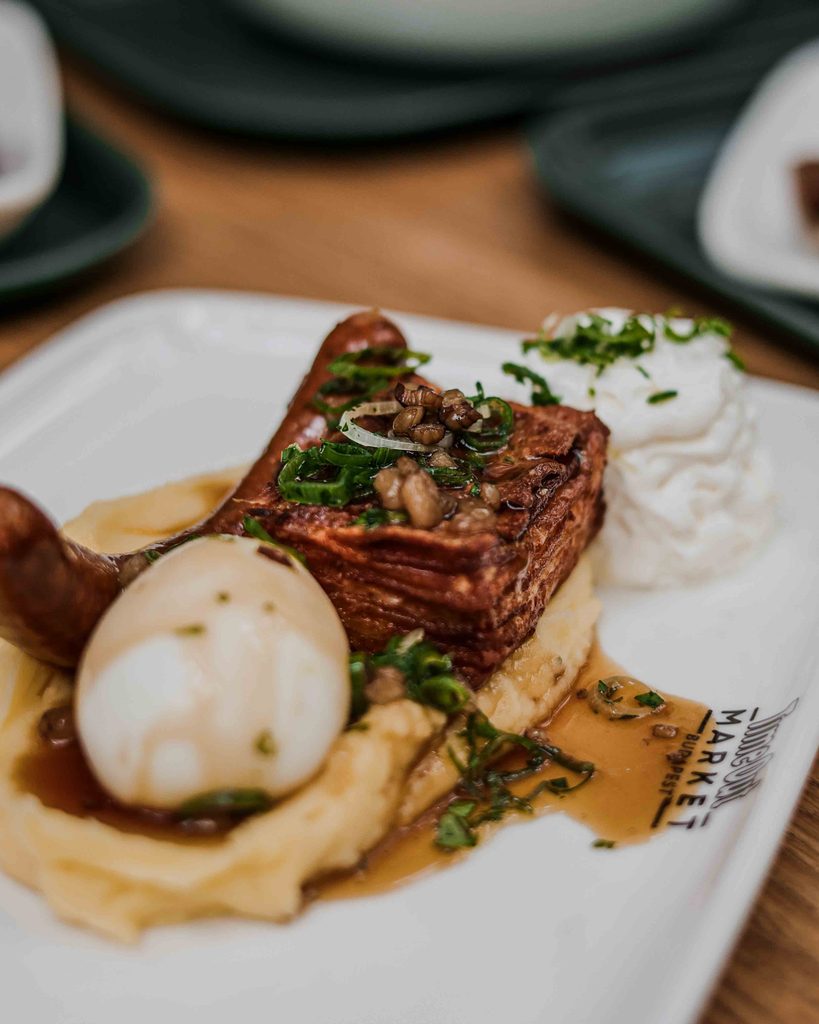
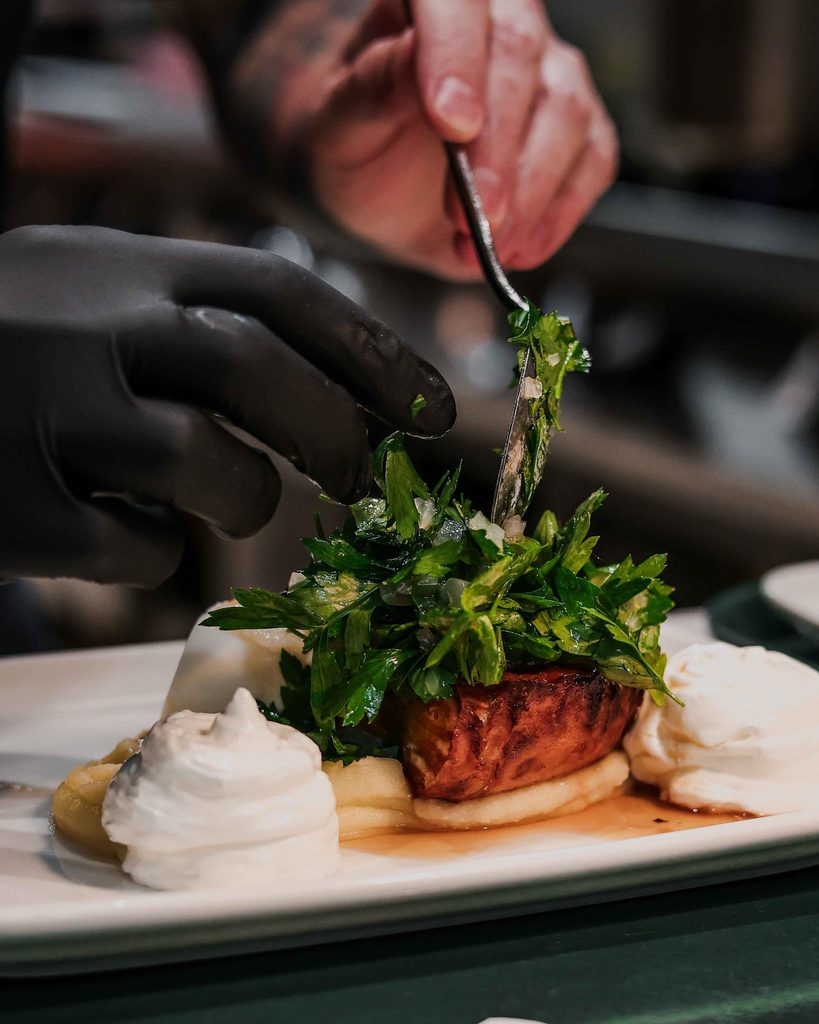
Szaletly’s lyered potatoes looks completely different at first glance from the classic Hungarian dish we are used to. Instead of the familiar layers, different textures of potato, Mangalica debreceni sausage, a six-minute egg, jus and sour cream foam are presented separately on the plate, all in an especially stylish presentation. The potatoes are beautifully roasted, while the soft, runny egg yolk adds a creamy richness to the dish, further enhanced by the fresh sour cream foam. Although the form of the dish is far removed from the layered potatoes we know from home, the flavours are unmistakably familiar, and that is perhaps exactly what makes it so exciting.
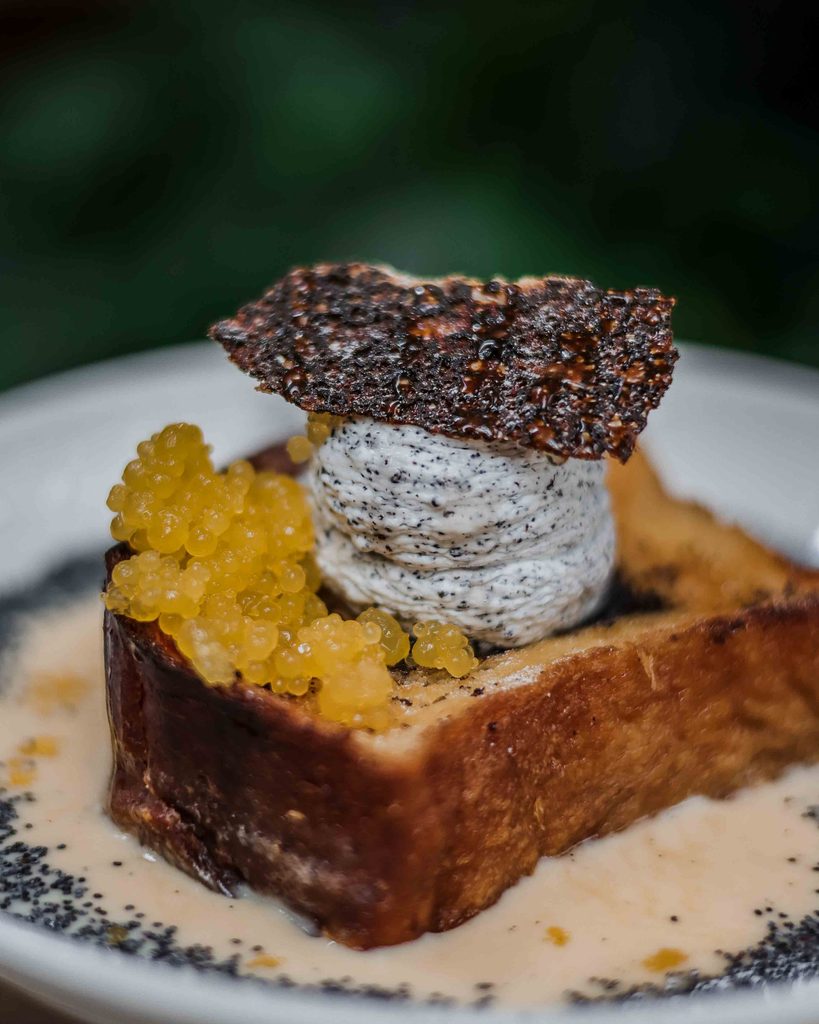
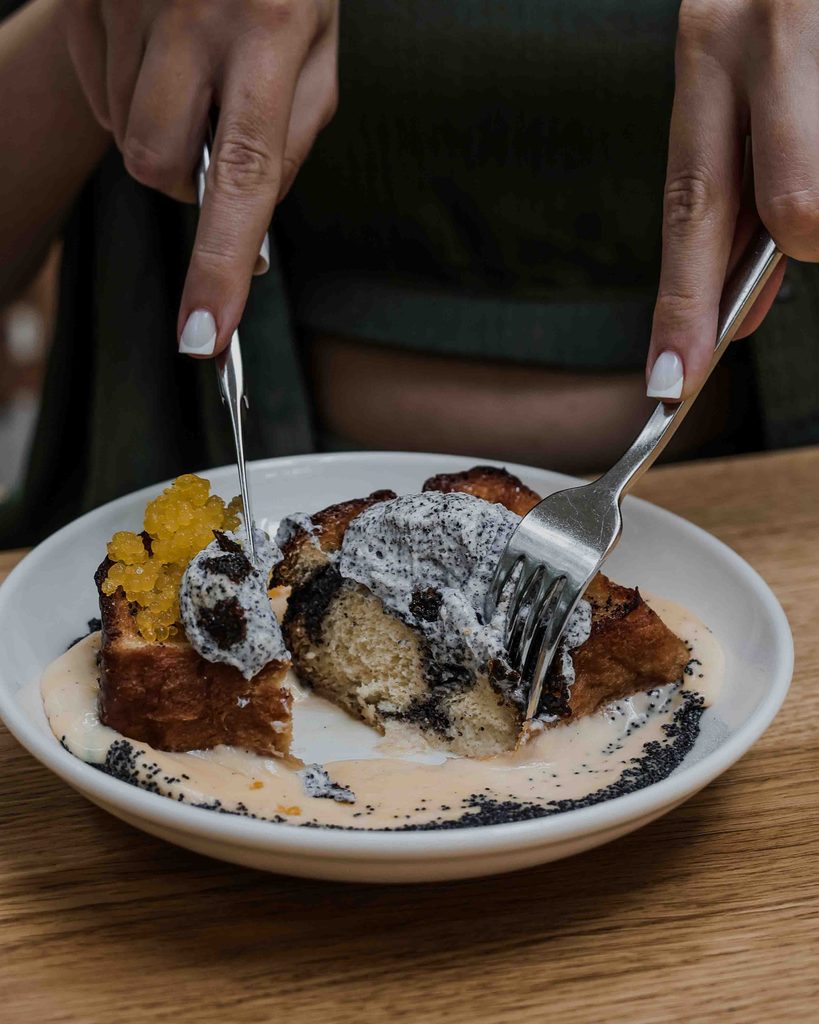
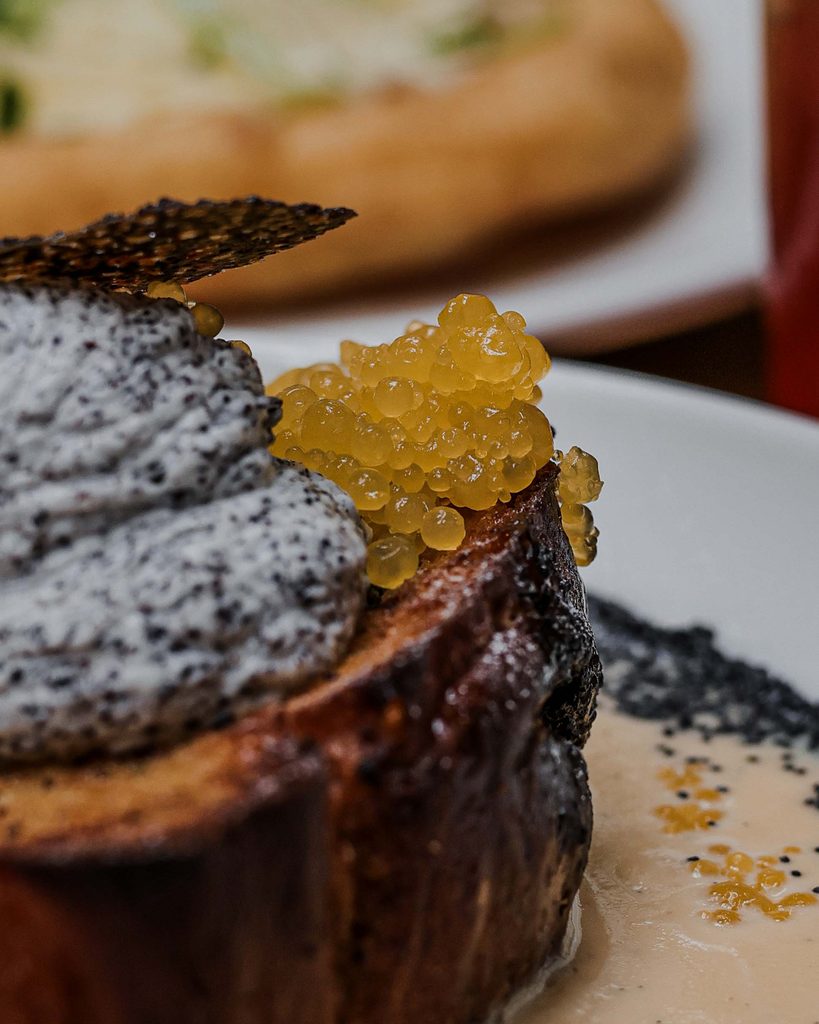
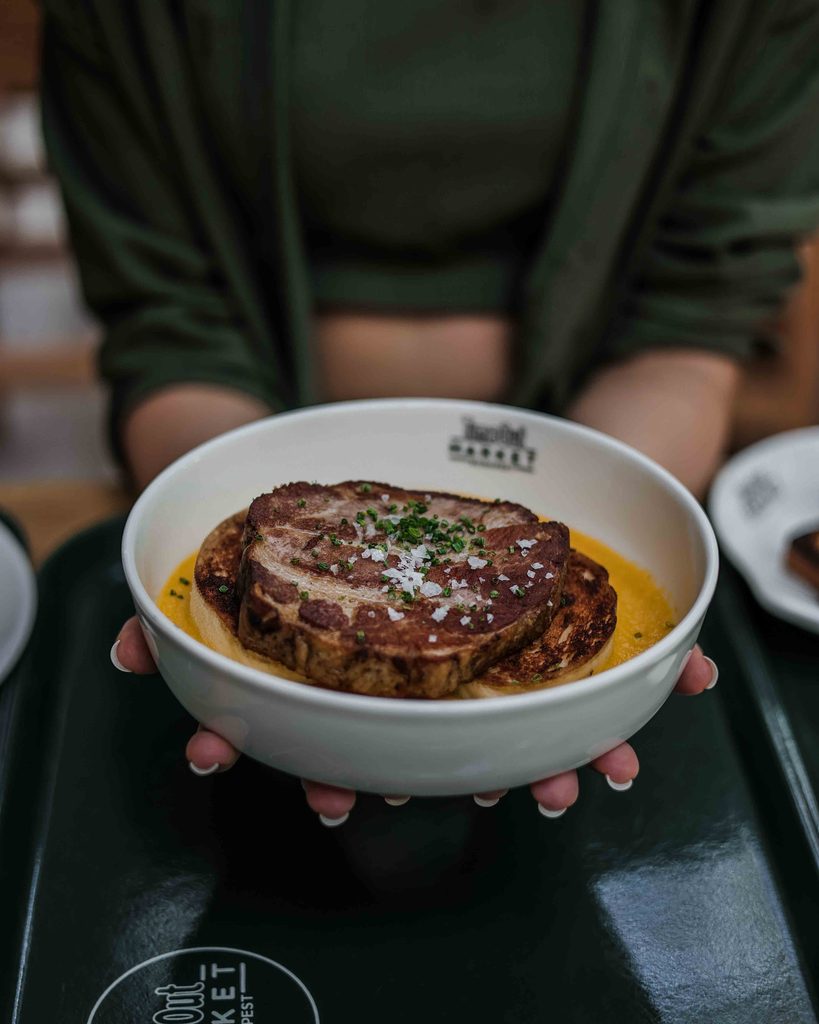
The poppy seed bread pudding is one of the most beautiful examples of how a true Hungarian classic can be presented in an entirely new form. The presentation alone is incredibly stylish, while the familiar poppy seed flavour returns in several different elements. A soft, mousse-like poppy seed cream is served on perfectly toasted brioche, accompanied by an egg liqueur custard, raspberry honey and delicate fruity elements. The crisp toasted brioche, silky poppy seed cream and fresh fruity notes come together to create a completely new experience. The foundations of poppy seed bread pudding remain recognisable, but in this form, the classic almost takes on an entirely new identity as a dessert.
CANTEEN by Costes Group: The flavours of the Hungarian family table
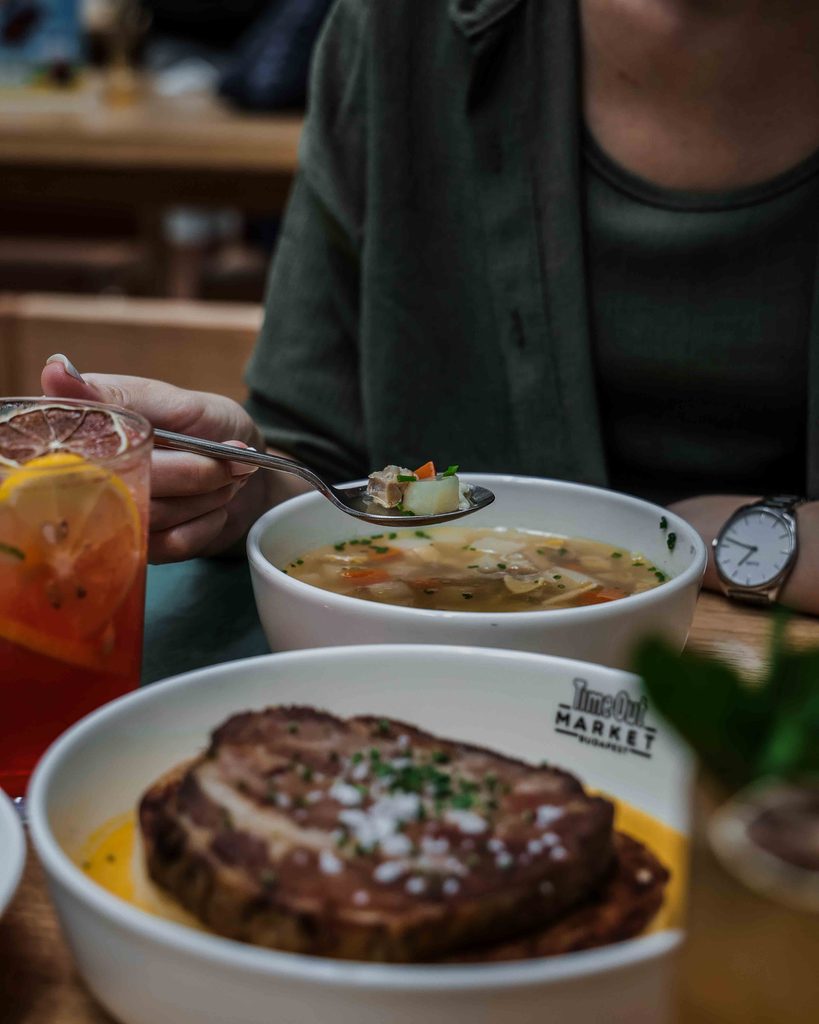
What makes CANTEEN particularly appealing is that these dishes need no special explanation. For Hungarian guests, they are instantly familiar, while for foreign visitors, they offer an easy introduction to the flavours that define Hungarian cuisine. The chicken soup with lúdgége pasta is perhaps one of the best examples of how much a seemingly simple Hungarian classic can offer when it is prepared with care. The clear, flavourful broth and distinctive lúdgége pasta immediately evoke the world of traditional Sunday lunches. It is the kind of dish that needs no real explanation: after the first spoonful, you already know exactly what flavours to expect.

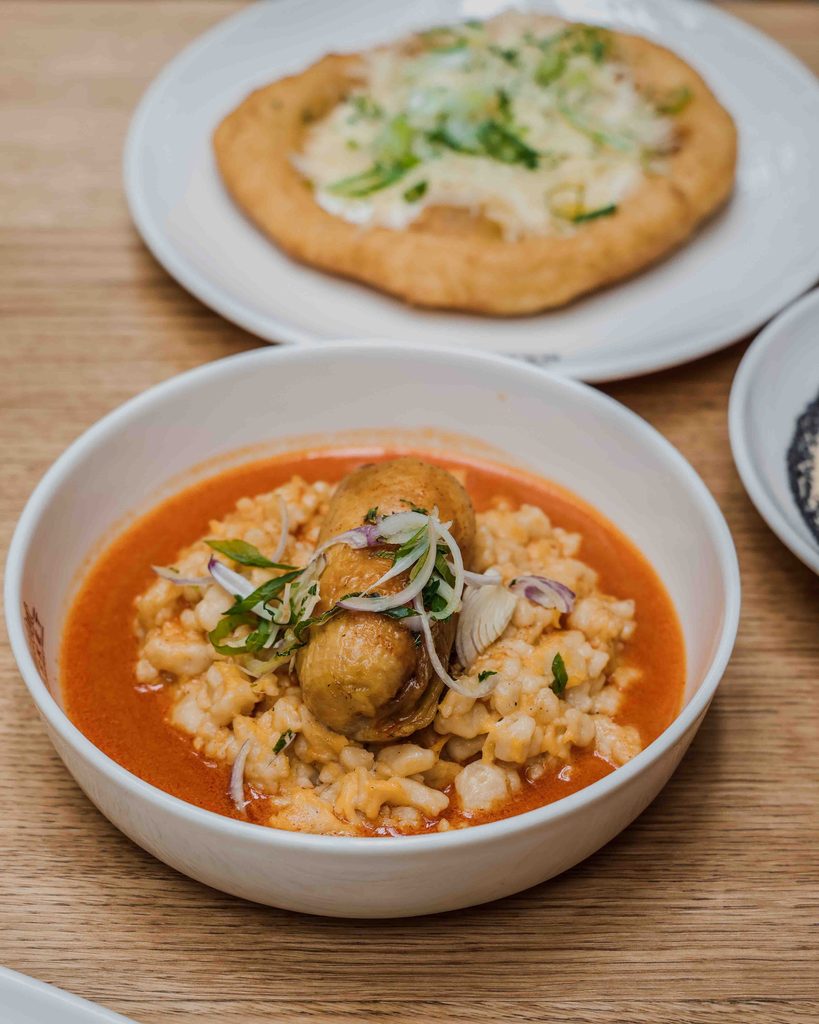
The chicken paprikash with egg dumplings is a considerably more substantial choice. The juicy, paprika-rich chicken served with egg dumplings brings together the comforting, homestyle side of Hungarian cuisine with the richness that has made this dish a staple of Hungarian cooking for generations. The combination of paprika sauce and dumplings is almost impossible to tire of, and here we get to experience it in a version that elevates a traditional Sunday lunch into a restaurant setting.
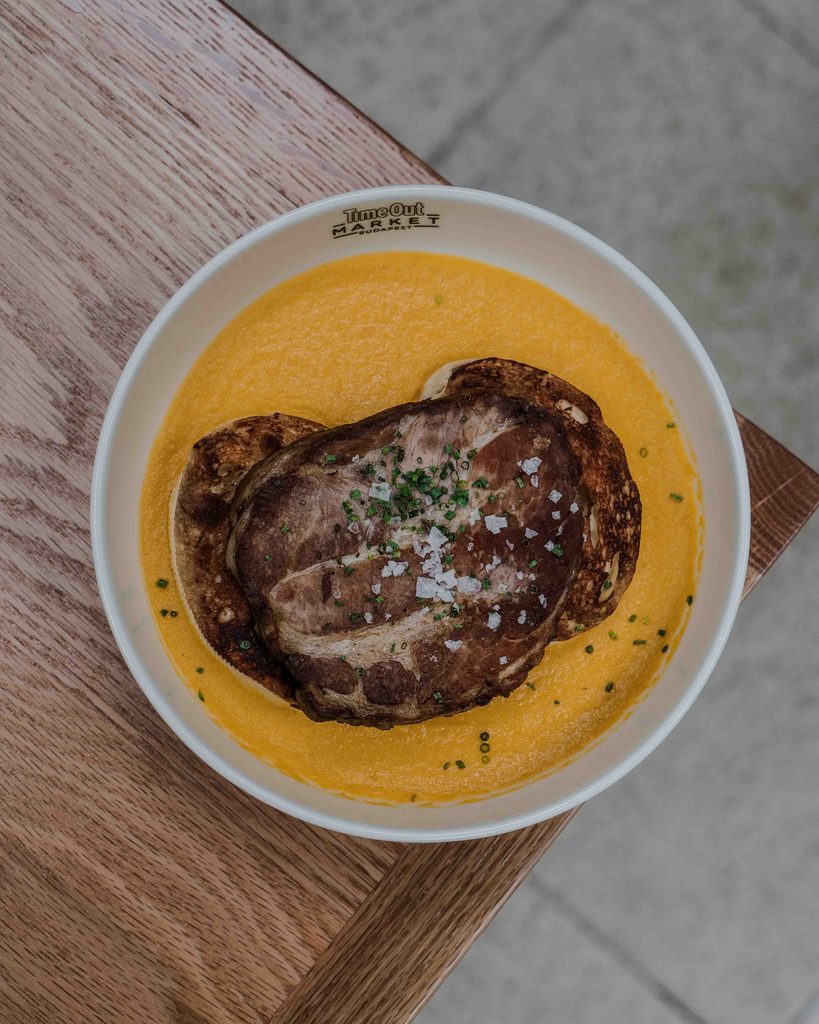
The vadas pork neck with bread dumpling offers a completely different flavour experience. The rich, slightly sweet and tangy vadas sauce served with the tender pork neck works beautifully with the softer, more neutral texture of the bread dumpling. The dish brings together the deep, hearty flavours of Hungarian cuisine with the kind of care that can turn a classic into a more refined restaurant dish. If you enjoy hearty, rich and saucy Hungarian dishes, this plate is unlikely to disappoint.
Casa Christa: A little taste of lake Balaton next to Blaha
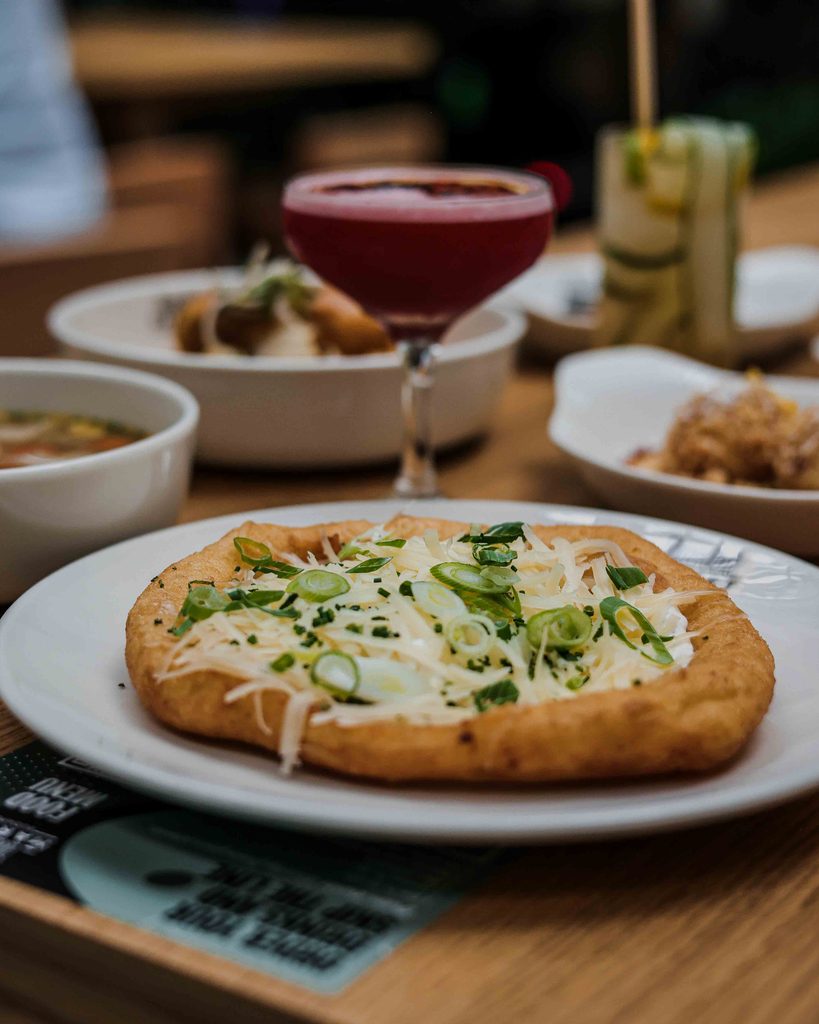
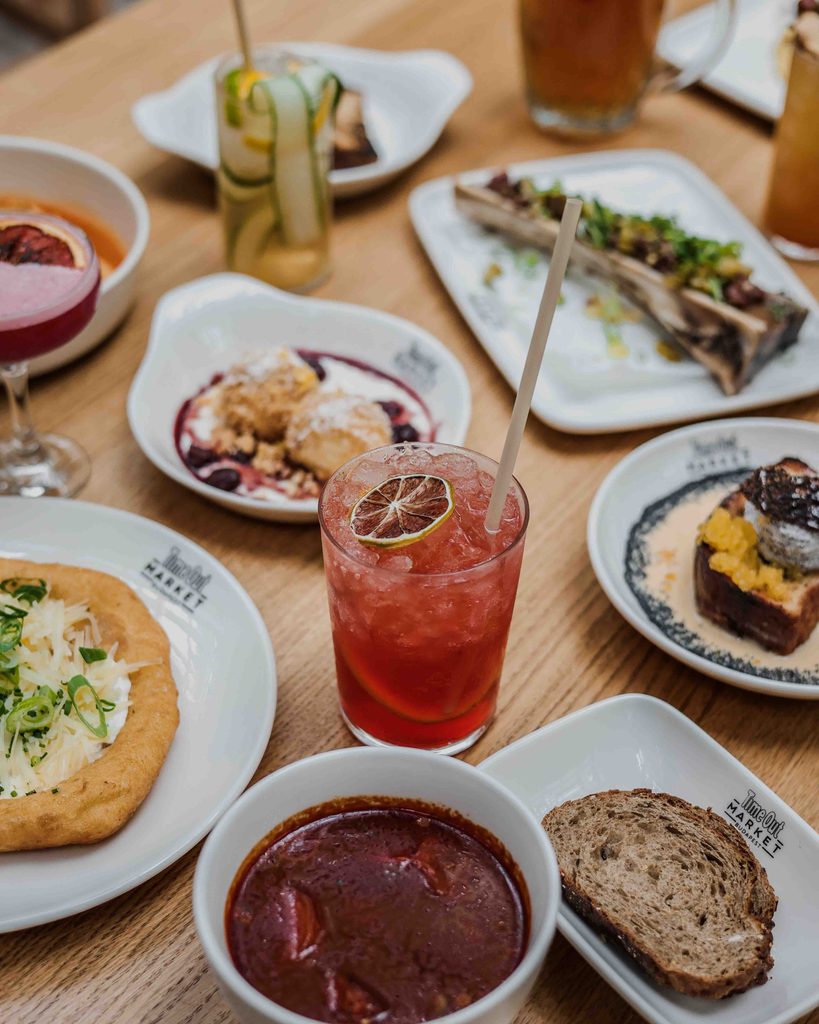
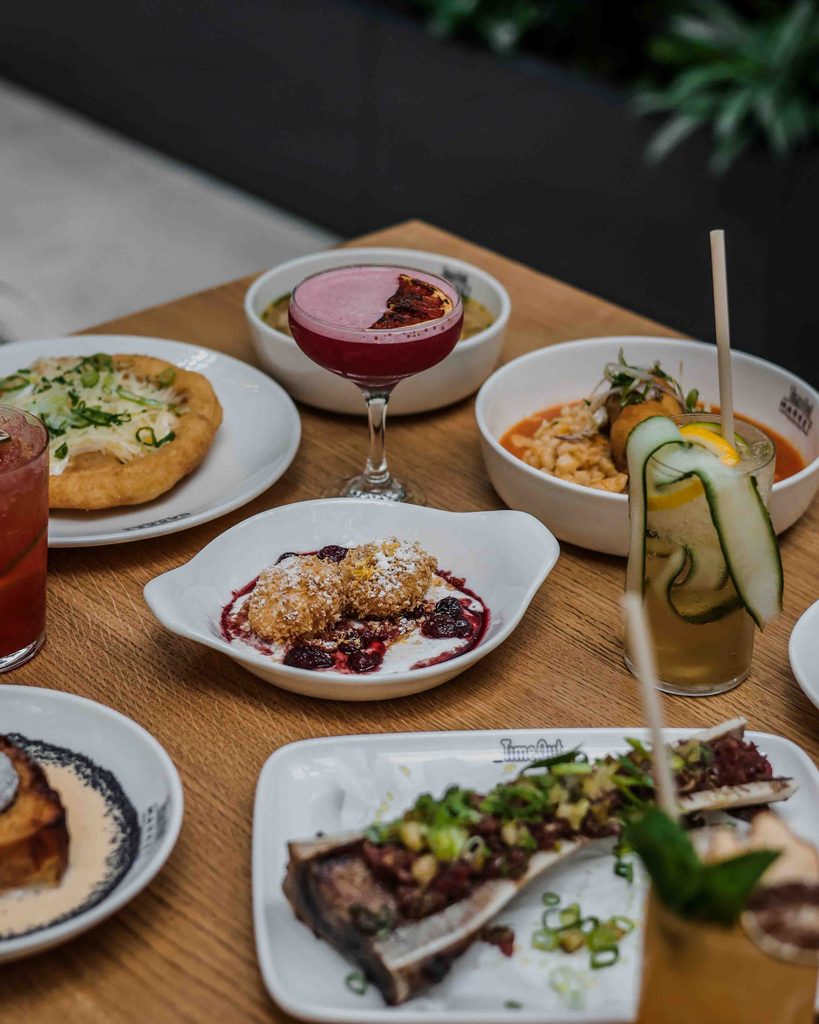
At Casa Christa, we tried three completely different dishes that show just how many ways there are to approach the cuisine of Lake Balaton and rural Hungary. The langosh with cheese and sour cream brings back memories of summers by the lake from the very first bite. The dough is pleasantly light and airy, while the sour cream and cheese deliver exactly the classic combination we expect from a good lángos. There’s no need to overcomplicate it, and perhaps that is precisely why it works so well. Familiar, comforting and instantly reminiscent of the food stalls along the lakeside.
The bone marrow with hand-cut beef, capers and pickles is a much more distinctive dish. A true flavour bomb that is difficult to compete with. The rich, intense marrow and fresh, hand-cut beef are paired with capers and pickles, which might seem like an unusual combination at first, but it is precisely these fresh, acidic elements that make the dish so exciting. It is deep, hearty and refreshing all at once, with the different flavours working surprisingly well together.


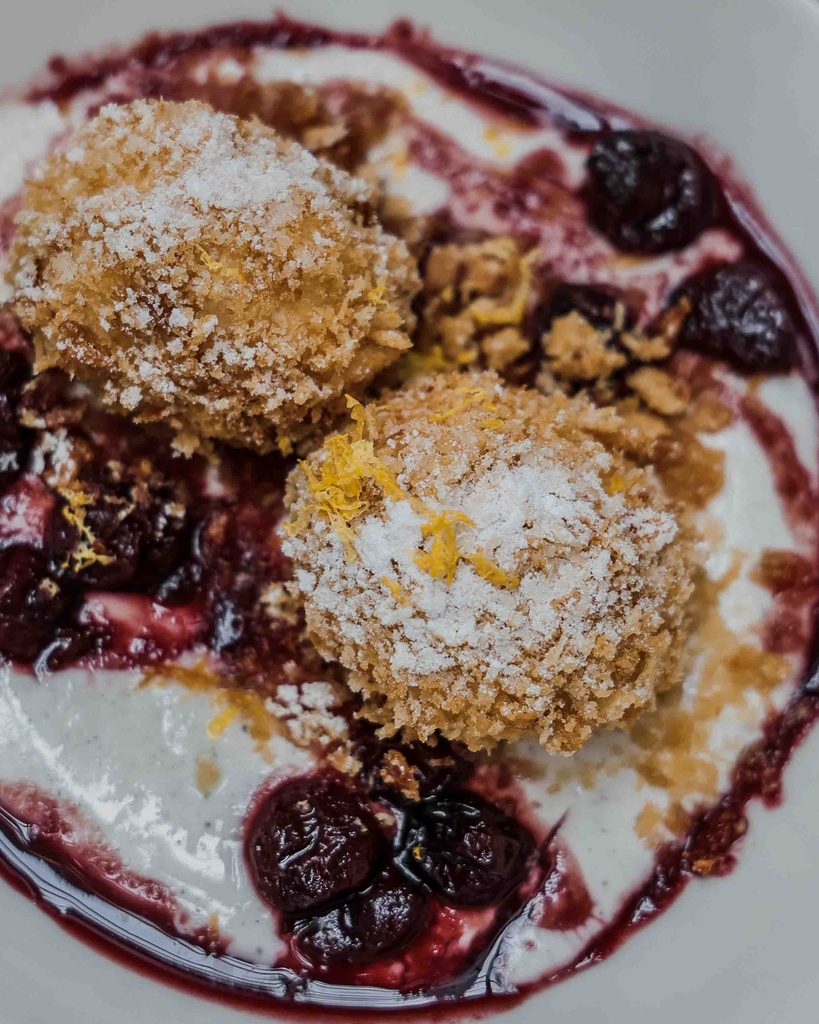
The sweet cottage cheese dumplings with sour cream and sour cherries brings a particularly well-balanced play of textures in the dessert category. Creamy, soft and crisp in places, while the slightly citrusy, fresh character of the sour cherries beautifully balances the richness of the cottage cheese and sour cream. We know that competing with Grandma’s sweet cottage cheese dumplings is almost impossible, because we are not just comparing flavours, but memories too. This version, however, stays true to the classic foundations while playing with new textures and fresher flavours, making it more than capable of holding its own alongside those family favourites.
Time Out Market Budapest also has a few surprises when it comes to drinks
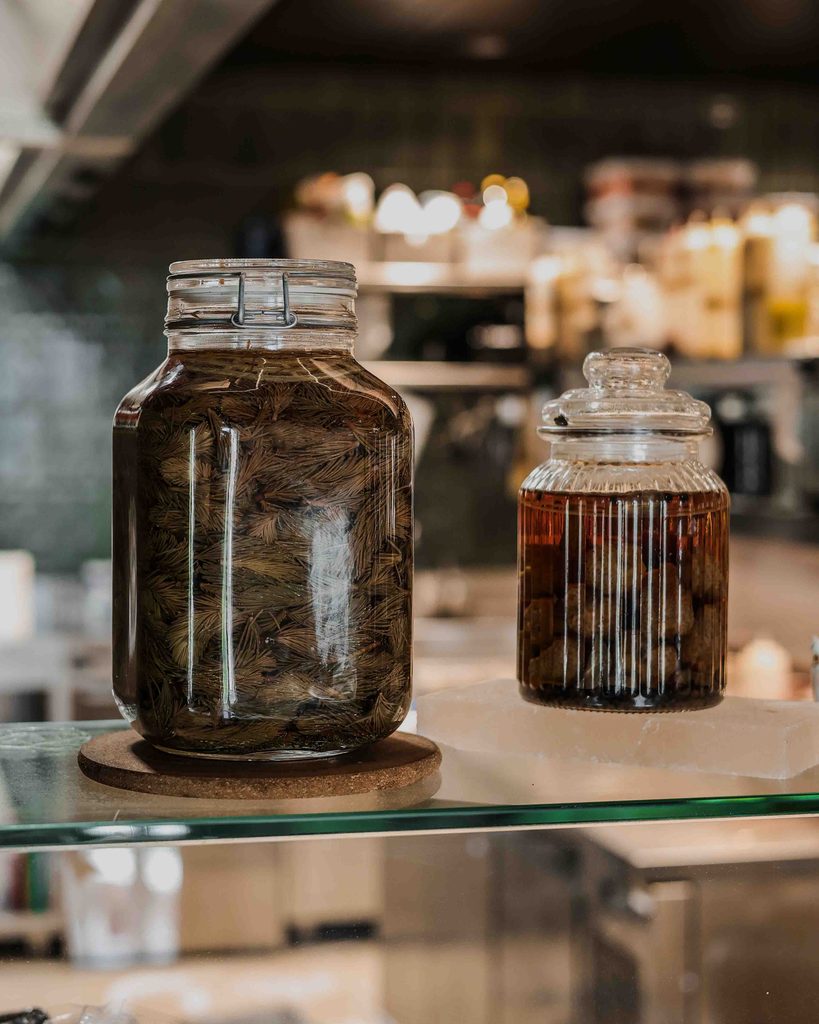
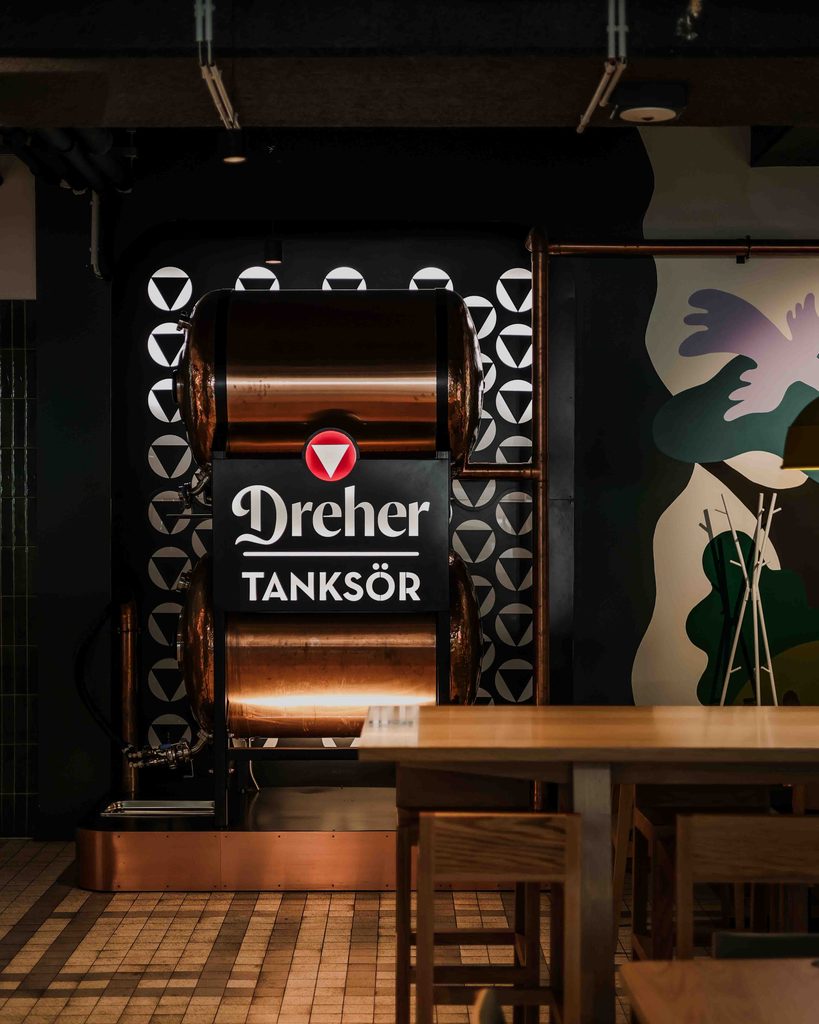
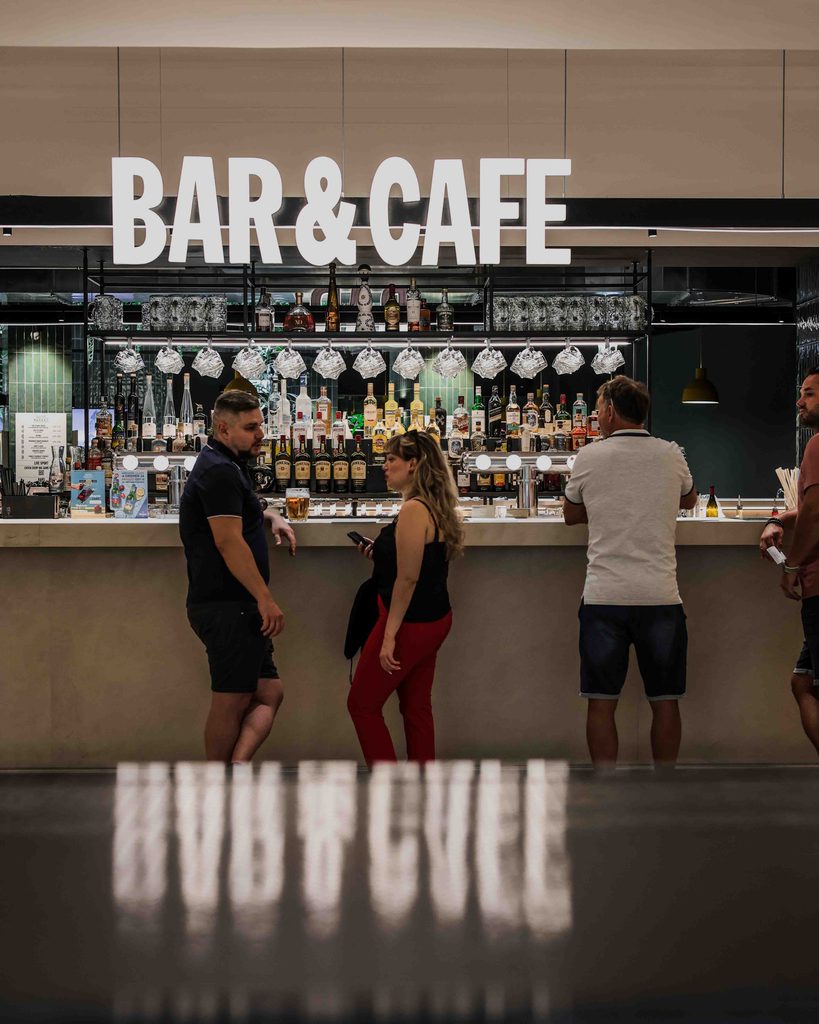
Alongside the 11 restaurants, three bars complete the offering. The three separate bars each approach drinks from a completely different angle, making it easy to find something to accompany a longer meal or enjoy after a few dishes, whether it’s lunchtime or evening. Dreher Tanksör connects to Hungarian beer culture, serving beer freshly tapped on site. The unpasteurised beer offers a fresher, more distinctive experience while also evoking Dreher’s more than 170-year brewing tradition. The brand’s history is closely intertwined with Hungarian beer production, making this bar a natural fit for the Market’s aim of showcasing Hungarian drinks alongside the country’s food culture.

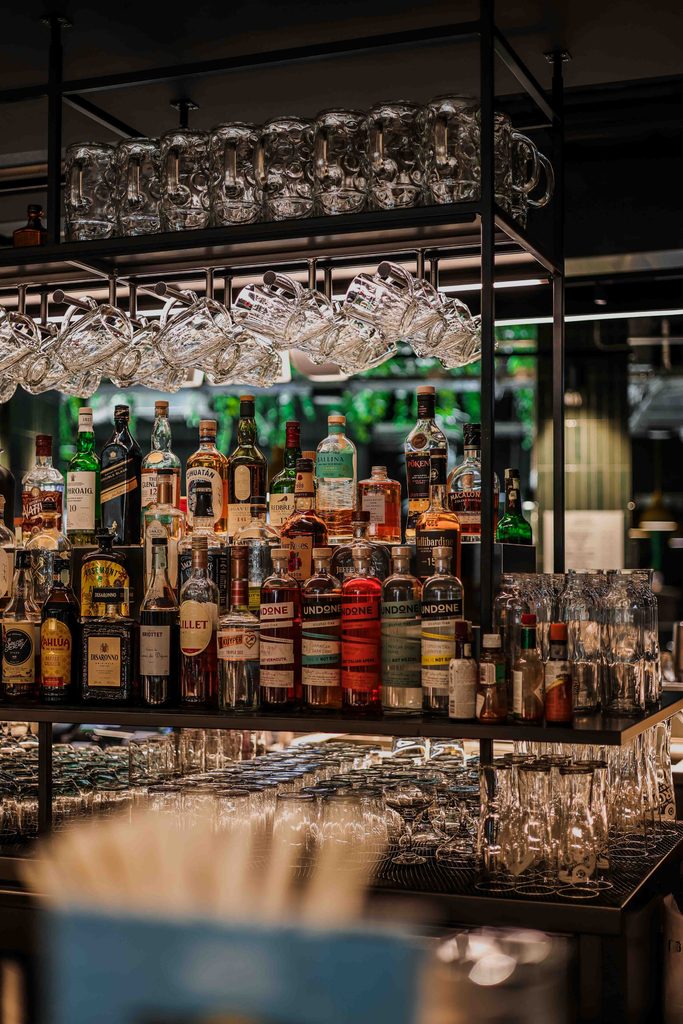
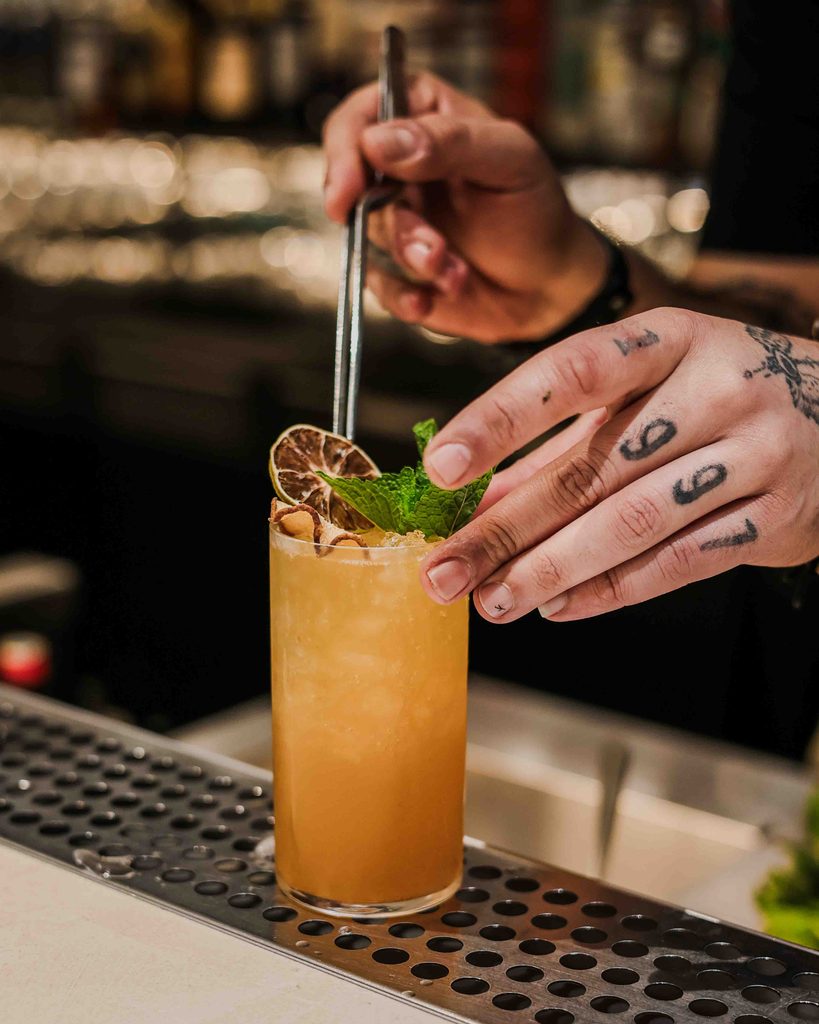
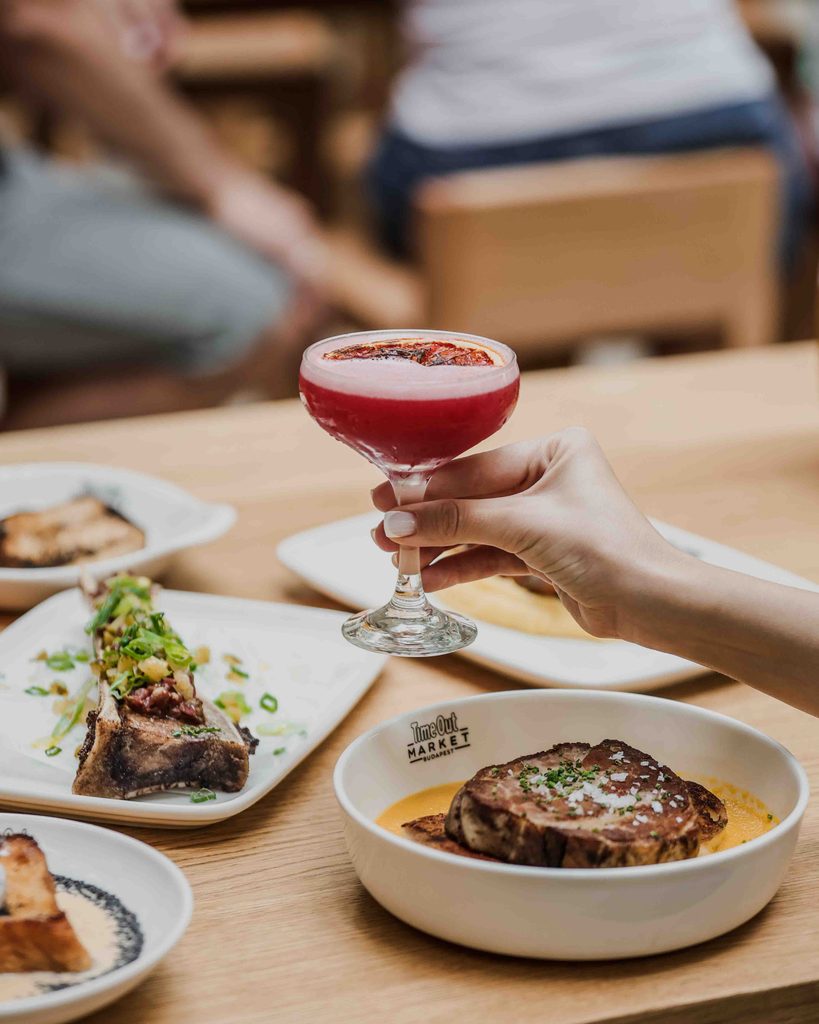
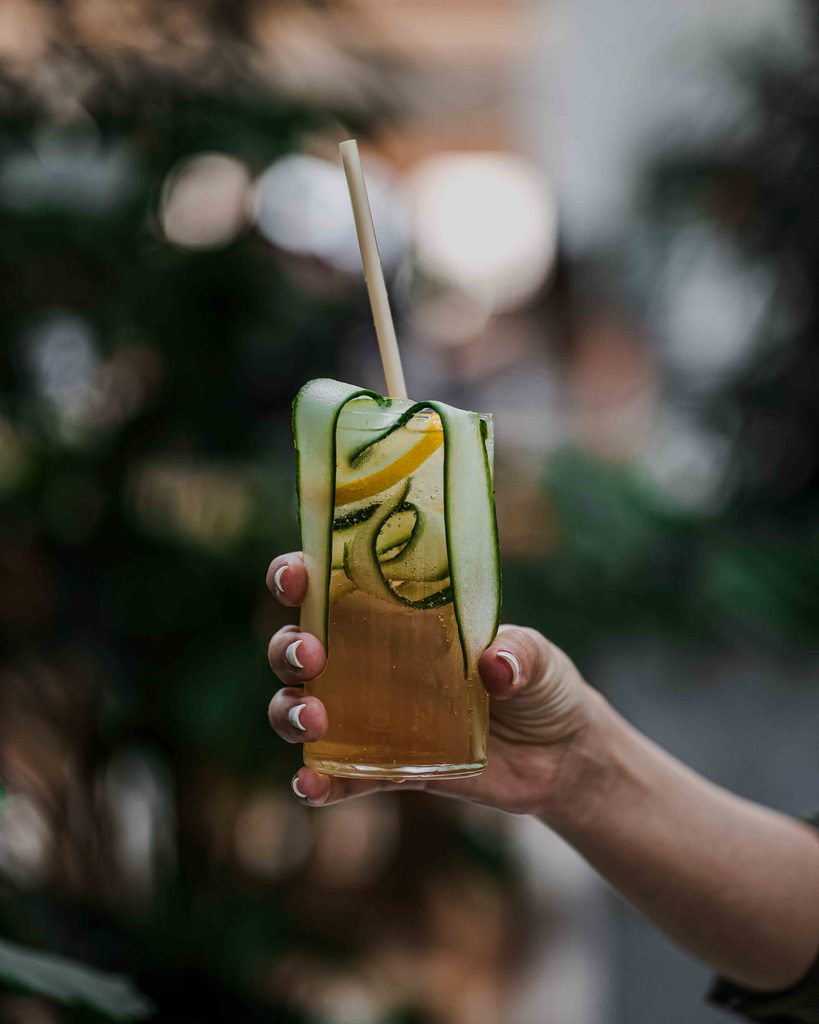
Among the lemonades, we can choose from several flavours, so there is plenty to choose from when we are looking for something light and refreshing. Among the cocktails, the Son of a Peach is built around rum, peach and spices. It is fruity and pleasantly distinctive, with the spiced notes coming through beautifully alongside the peach. The Clover Club combines gin, raspberry and lemon to create a flavour that is at once fruity, tart and slightly bitter. An exciting choice for those who are not looking for particularly sweet cocktails.
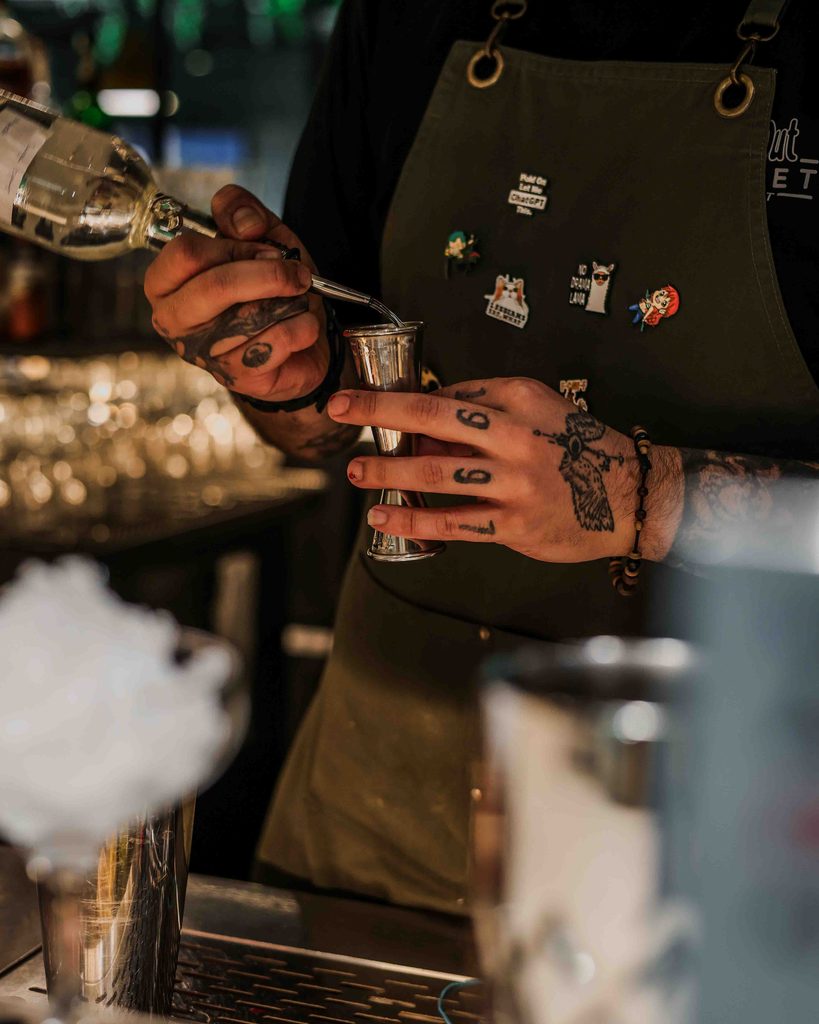
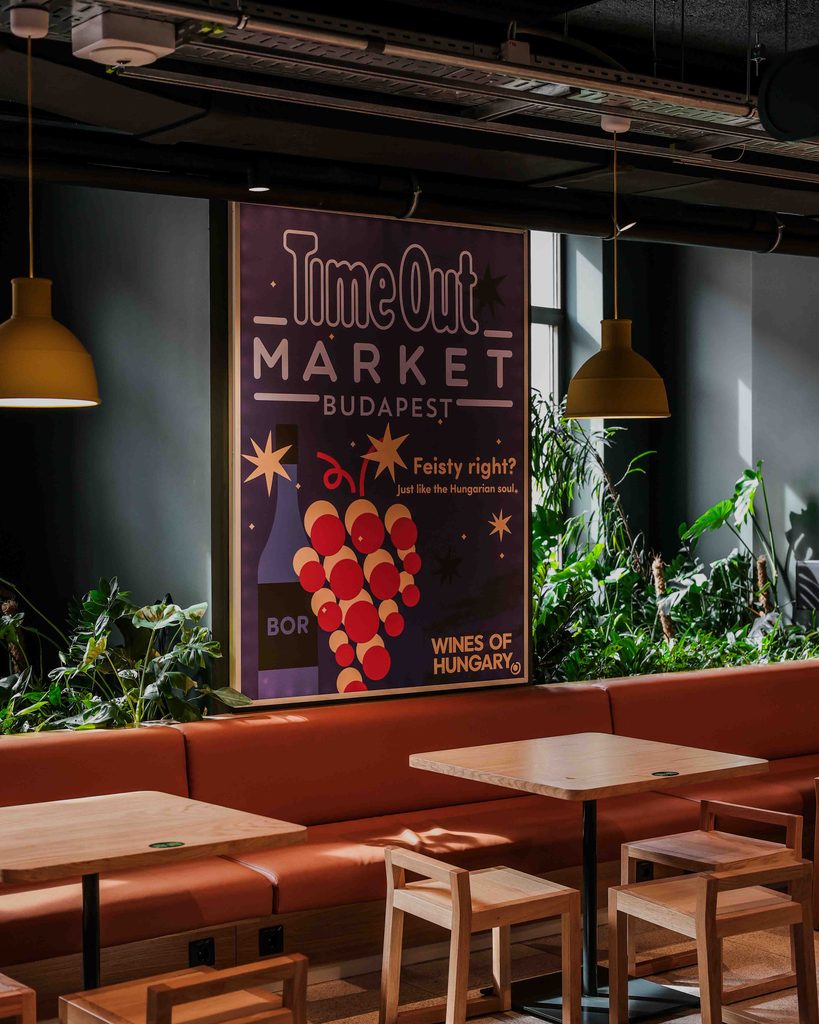
At the Wines of Hungary bar, the focus shifts specifically to Hungarian wine culture. All 22 of Hungary’s wine regions are represented in the selection, which in itself offers a unique opportunity to explore the character of the country’s different wine regions in one place. The idea here is not simply to order a glass of wine, but to learn a little about where it comes from, which grape variety or wine region it is connected to, and what makes it worth trying.
The selection includes both well-known wines and lesser-known discoveries, while themed events regularly offer new ways to explore different sides of Hungarian wine culture. For visitors, this is a particularly good opportunity to discover not only Hungarian food, but also the country’s diverse wine regions.
The third bar follows the Absolut Born to Mix concept, where cocktails naturally take centre stage. Absolut’s own cocktail bar represents a more modern, urban direction, complementing the more traditional focus of Dreher and Wines of Hungary. Together, the three bars show just how many different ways drinks can become part of a gastronomic experience. We can order a freshly tapped beer, explore one of Hungary’s wine regions, choose a glass of lemonade or sit down with a cocktail. And since the Market is fundamentally about sharing and tasting together, the drinks can easily become part of the same meal in which we make our way through several different cuisines.
The experience continues beyond the table
Time Out Market Budapest also functions as a cultural space, so alongside food and drinks, there are regular events and programmes to discover. DJ sets, live music, art events and family programmes take turns throughout the calendar, meaning the Market is not necessarily just a place for a quick lunch or dinner. It is therefore worth arriving without the expectation of trying everything in a single visit. With 11 restaurants, three bars and a constantly evolving programme, there will be plenty left to discover next time, too.
Perhaps this is what truly sets it apart from the traditional restaurant experience. We can drop in for a quick lunch, sample several different cuisines with a group of friends, or simply come up for a drink and a few smaller dishes. There is no entrance fee, while ordering works through a system familiar from festivals, allowing everyone to explore the selection at their own pace. Time Out Market only accepts card payments, but guests arriving with cash can have the amount loaded onto a separate card, which can then be used to pay for their orders.
Ultimately, this freedom is one of Time Out Market’s greatest strengths. In one place, we can try rakott krumpli, pizza, sushi, Vietnamese pho or a premium burger, then return to the same table and continue the conversation. And if someone wants to explore Budapest’s gastronomic scene from several different perspectives in one place, the Market on Blaha Lujza Square is a particularly good starting point.
Time Out Market Budapest
Address: 1085 Budapest, Blaha Lujza tér 1.
Table reservations are available via the link provided
Photos: Lepsik Norbert – Brunch Budapest